
Call us now :08045802471
 Send Inquiry
 Send Inquiry
Limestone Chips
MOQ : 1 Ton
Limestone Chips Specification
- Appearance
- White to off-white, coarse chips
- Uses
- Soil conditioning, Water treatment, Building aggregate, Flue gas desulfurization
- Purity
- 90% - 99%
- Melting Point
- 825C
- Soluble
- In acids
- Physical State
- Solid
- Density
- 2.7 Gram per cubic centimeter(g/cm3)
- Packaging Type
- Bag, Bulk
- Molar Mass
- 100.09 g/mol
- Molecular Formula
- CaCO3
- Product Type
- Limestone Chips
- Material
- Calcium Carbonate (CaCO3)
- Type
- Natural Mineral
- Application
- Construction, Water Filtration, Agriculture, Chemical Industry
- Shape
- Chips
- Size
- 10 mm to 25 mm
- Storage Conditions
- Keep dry and well-ventilated place
- Moisture Content
- <1%
- Toxicity
- Non-toxic
- Odor
- Odorless
- Granule Shape
- Irregular, angular
- pH Value
- 8.5 to 9.5
- Bulk Density
- 1.4 - 1.6 g/cm³
- Shelf Life
- Unlimited under proper storage
- Hardness
- 3 on Mohs scale
- Color
- White
Limestone Chips Trade Information
- Minimum Order Quantity
- 1 Ton
- Supply Ability
- 50 Tons Per Day
- Delivery Time
- 3-7 Days
About Limestone Chips
As an esteemed company, we are engaged in offering Limestone Chips. These chips are being used in several applications to help neutralize and / or dilute chemical bearing wastes. Moreover, these Limestone Chips are available in various packaging options in order to meet the diverse demands of our clients. This is chemically called calcium carbonate and is thus, abundantly rich in calcium.
| Business Type | Manufacturer, Exporter, Supplier, Retailer, Wholesaler |
| Type | Chips |
| Application | Industrial Use |
| Color | Gray |
Packaging
Gunny Bag, Jute Bag, Plastic Packet
Features
Durable, Fine Finished, Good Quality, Light Weight
Packaging size
100gm, 1kg, 250gm, 500gm
Versatile Applications Across Industries
Limestone Chips serve a multitude of sectors including construction, agriculture, water treatment, and the chemical industry. Their high calcium carbonate content and low moisture level enable effective performance in tasks ranging from flue gas desulfurization to soil improvement and filtration. Whether youre conditioning soil or enhancing building aggregates, these chips deliver dependable results.
Quality and Safety You Can Trust
With a purity between 90% and 99%, limestone chips are non-toxic, odorless, and safe for handling, storage, and transport. Their chemical stability and minimal moisture ensure longevity and reliability. The chips irregular, angular shape also boosts their efficiency in applications like filtration and aggregate blending.
FAQs of Limestone Chips:
Q: How are limestone chips used in water filtration systems?
A: Limestone chips are commonly applied in water filtration systems to neutralize acidic water, raising the pH to safe, potable levels. The calcium carbonate reacts with acids in the water, helping maintain the desired alkalinity and clarity for both industrial and residential water supplies.Q: What benefits do limestone chips provide in agricultural applications?
A: In agriculture, limestone chips are used as soil conditioners. They help reduce soil acidity, improve nutrient absorption, and thus promote healthy plant growth. Applying these chips balances pH levels, enhances soil structure, and increases crop yields effectively.Q: When should limestone chips be replaced in filtration or treatment setups?
A: Limestone chips should be replaced when you notice diminished effectiveness in pH correction or filtration performance. The frequency varies by water quality and usage; regular inspection every few months is advised for optimal operation.Q: Where can I safely store limestone chips to maintain quality?
A: Limestone chips should be stored in a dry, well-ventilated place, away from moisture and chemicals, to prevent degradation or unwanted reactions. Under proper conditions, their shelf life is unlimited.Q: What is the process for using limestone chips in flue gas desulfurization?
A: In flue gas desulfurization, limestone chips are introduced to capture sulfur dioxide emissions from gas streams. The calcium carbonate reacts with sulfur dioxide to form gypsum, thereby reducing air pollution and meeting environmental regulations.Q: How does the shape and size of limestone chips affect their performance?
A: The irregular, angular shape of the chips increases surface area and promotes better flow and packing efficiency in applications like filtration and aggregate mixing. The chip size (10 mm to 25 mm) ensures optimal reactivity and structural support.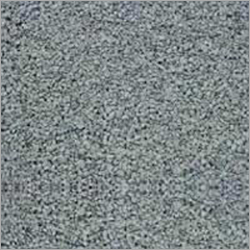
Tell us about your requirement

Price:
Quantity
Select Unit
- 50
- 100
- 200
- 250
- 500
- 1000+
Additional detail
Mobile number
Email

More Products in Industrial Limestones Category
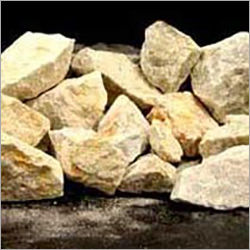
Pyrophyllite Lump
Minimum Order Quantity : 1 Ton
Physical State : Solid
Size : Custom sizes available
Material : Pyrophyllite
Product Type : Other, Natural Mineral Lump
Melting Point : 1300C 1450C
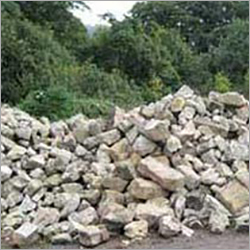
Limestone Lumps
Minimum Order Quantity : 1 Ton
Physical State : Solid
Size : 40 mm to 300 mm (customizable)
Material : Natural Limestone
Product Type : Other, Limestone Lump
Melting Point : 825C (decomposes)

 Send Inquiry
Our Products

B No. 3-K-36, Sect. No. 5, Prabhat Nagar,Udaipur - 313002, Rajasthan, India

Mr Dhirendra Vyas
(Proprietor)
Mobile :08045802471
 Send Inquiry
 Send SMS
Developed and Managed by Infocom Network Private Limited.
