
Call us now :08045802471
 Send Inquiry
 Send Inquiry
Pyrophyllite Lump
MOQ : 1 Ton
Pyrophyllite Lump Specification
- Melting Point
- 1300C 1450C
- Uses
- Used in ceramics, refractories, talcum powder, glass, rubber, paints, etc.
- Appearance
- Light grey to green or yellowish lump
- Density
- 2.9 Gram per cubic centimeter(g/cm3)
- Purity
- 95% Min
- Soluble
- Insoluble in water
- Packaging Type
- Loose, Bag, Jumbo Bag
- Physical State
- Solid
- Molar Mass
- 378.286 g/mol
- Molecular Formula
- Al2Si4O10(OH)2
- Product Type
- Natural Mineral Lump
- Material
- Pyrophyllite
- Type
- Mineral
- Application
- Refractory, Ceramics, Tiles, Paints, Cosmetics
- Shape
- Lump
- Size
- Custom sizes available
- Fe2O3 Content
- < 2%
- Thermal Stability
- Excellent
- Hardness (Mohs)
- 1-2
- Oil Absorption
- Low
- Toxicity
- Non-toxic and environmentally safe
- Water Absorption
- Low
- Al2O3 Content
- 17-28%
- pH Value
- Neutral (6.5-7.5)
- Loss on Ignition (LOI)
- 4-6%
- Moisture Content
- < 1%
- SiO2 Content
- 60-65%
Pyrophyllite Lump Trade Information
- Minimum Order Quantity
- 1 Ton
- Supply Ability
- 50 Tons Per Day
- Delivery Time
- 3-7 Days
About Pyrophyllite Lump
We have carved out a position in providing Pyrophyllite Lump. This is a secondary mineral of composition Al2O3 4 SiO2 H2O. Further, our offered Pyrophyllite Lump contains high allumina content with low PH and high whiteness. This is basically used in high-grade ceramic products, electric insulators and refractories. Lower firing temperature, used in wall tiles, consumed in refractory & sanitary ware are some advantages of this lump, which makes them more demanding in market.
| Business Type | Manufacturer, Exporter, Supplier, Retailer, Wholesaler |
| Type | Pyrophyllite |
| Shape | Lumps |
| Use | Industrial |
Application
Ceramic, Cosmetics, Fiber Glass, Insectisides
Shelf Life
1 Year
Color
Brown
Purity
98%
Condition
Stone
Packaging Type
Box, Packet, Pp Bag
Versatile Industrial Applications
Pyrophyllite Lump is valued in numerous industries for its remarkable properties. From ceramics and refractories to paints, tiles, glass, cosmetics, and even rubber, its thermal stability and low toxicity ensure consistent performance and safety. Its neutral pH and low absorption rates make it particularly versatile, allowing easy incorporation into manufacturing processes requiring stable, unreactive mineral components.
Reliable Physical and Chemical Characteristics
With its light grey, green, or yellowish appearance and robust compositioncomprising up to 28% alumina and 65% silicaPyrophyllite exhibits high purity (minimum 95%) and moisture content below 1%. Its excellent melting point (1300C1450C) guarantees resilience under high temperatures, making it an essential component for producers seeking quality and durability.
FAQs of Pyrophyllite Lump:
Q: How is Pyrophyllite Lump processed before it is used in manufacturing?
A: Pyrophyllite Lump is first mined and then sorted by size according to specific industrial requirements. It undergoes crushing and screening, followed by cleaning to remove impurities, ensuring a minimum purity of 95%. Further processing may involve milling or grinding for finer applications, especially in ceramics and paints. The final product is packed in loose, bag, or jumbo bag options for distribution.Q: What industries commonly use Pyrophyllite Lump, and why?
A: Pyrophyllite Lump is widely used in ceramics, refractory materials, tiles, paints, glass, rubber, talcum powder, and cosmetics industries. Its low water and oil absorption, thermal stability, non-toxicity, and high alumina-silica content make it suitable for processes demanding chemical resistance, heat endurance, and environmental safety.Q: When is Pyrophyllite Lump preferred over other minerals in industrial applications?
A: Pyrophyllite Lump is chosen over alternatives like talc or kaolin when high thermal stability, neutral pH, and low absorptivity are required. Its performance at elevated temperatures, along with non-toxic and non-reactive behavior, makes it excellent for refractory and ceramic production where operating conditions are demanding.Q: Where does the supply of Pyrophyllite Lump originate, and how is it distributed?
A: In India, Pyrophyllite Lump is sourced from mineral-rich regions and processed by manufacturers and exporters. Distributors supply the lump in custom sizes or bulk quantities, shipped domestically and internationally, using various packaging based on client requirements, such as bags or jumbo bags.Q: What is the benefit of using Pyrophyllite Lump in paints and cosmetics?
A: In paints, Pyrophyllite Lump acts as a stable filler, enhancing durability and smoothness while reducing oil absorption and preventing excessive thickening. For cosmetics, its non-toxic nature, neutrality, and absorbency improve formulation safety and texture, offering a gentle mineral component safe for skin contact.Q: How does the thermal stability of Pyrophyllite Lump enhance refractory products?
A: Pyrophyllite Lumps melting point of up to 1450C and exceptional thermal stability ensure that refractory products can withstand prolonged exposure to high temperatures without losing structural integrity, making it indispensable in furnaces, kilns, and related industrial equipment.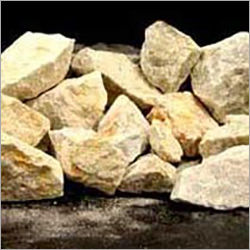
Tell us about your requirement

Price:
Quantity
Select Unit
- 50
- 100
- 200
- 250
- 500
- 1000+
Additional detail
Mobile number
Email

More Products in Industrial Limestones Category
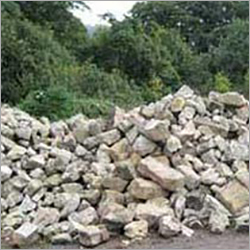
Limestone Lumps
Minimum Order Quantity : 1 Ton
Molar Mass : 100.09 g/mol
Type : Mineral
Application : Other, Construction, Industrial Uses, Cement Manufacturing, Steel Plants, Chemical Processes, Soil Conditioning
Product Type : Other, Limestone Lump
Molecular Formula : CaCO
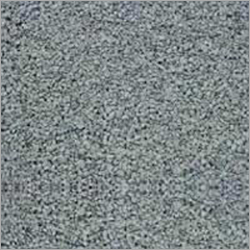
Limestone Chips
Minimum Order Quantity : 1 Ton
Molar Mass : 100.09 g/mol
Type : Natural Mineral
Application : Other, Construction, Water Filtration, Agriculture, Chemical Industry
Product Type : Other, Limestone Chips
Molecular Formula : CaCO3

 Send Inquiry
Our Products

B No. 3-K-36, Sect. No. 5, Prabhat Nagar,Udaipur - 313002, Rajasthan, India

Mr Dhirendra Vyas
(Proprietor)
Mobile :08045802471
 Send Inquiry
 Send SMS
Developed and Managed by Infocom Network Private Limited.
